

 Christianity Catholic
After the demolition of the Heilige Stede on the Rokin, fragments of the church were scattered all over the country. How could this happen and where are the fragments now?
Location
Kapel ter Heilige Stede
Kalverstraat 87
Type
Chapel
Religious community
Roman Catholic Church
Object
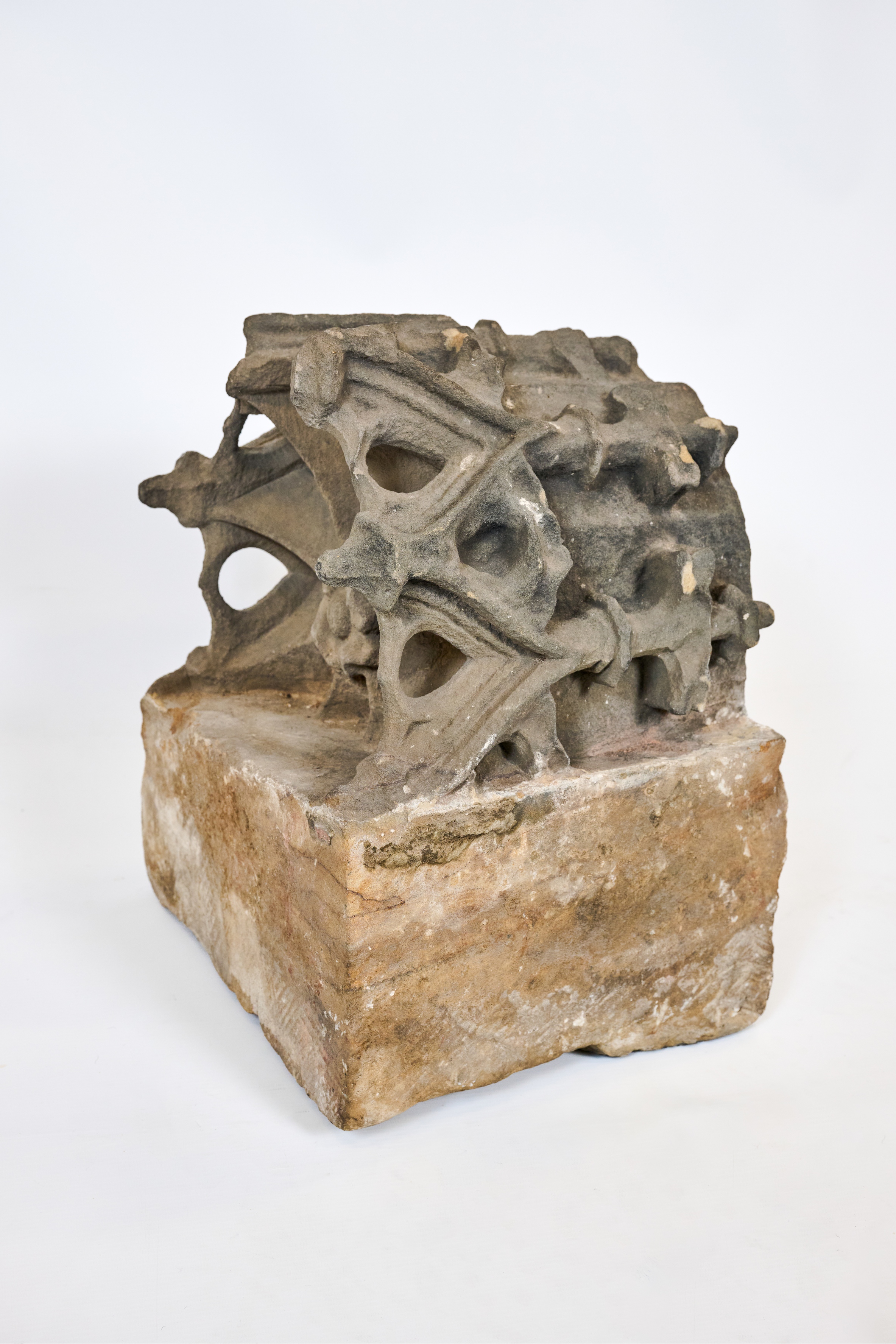
Building fragment of the demolished Holy Stead
Date
1345-1908
Visit
Not available for viewing
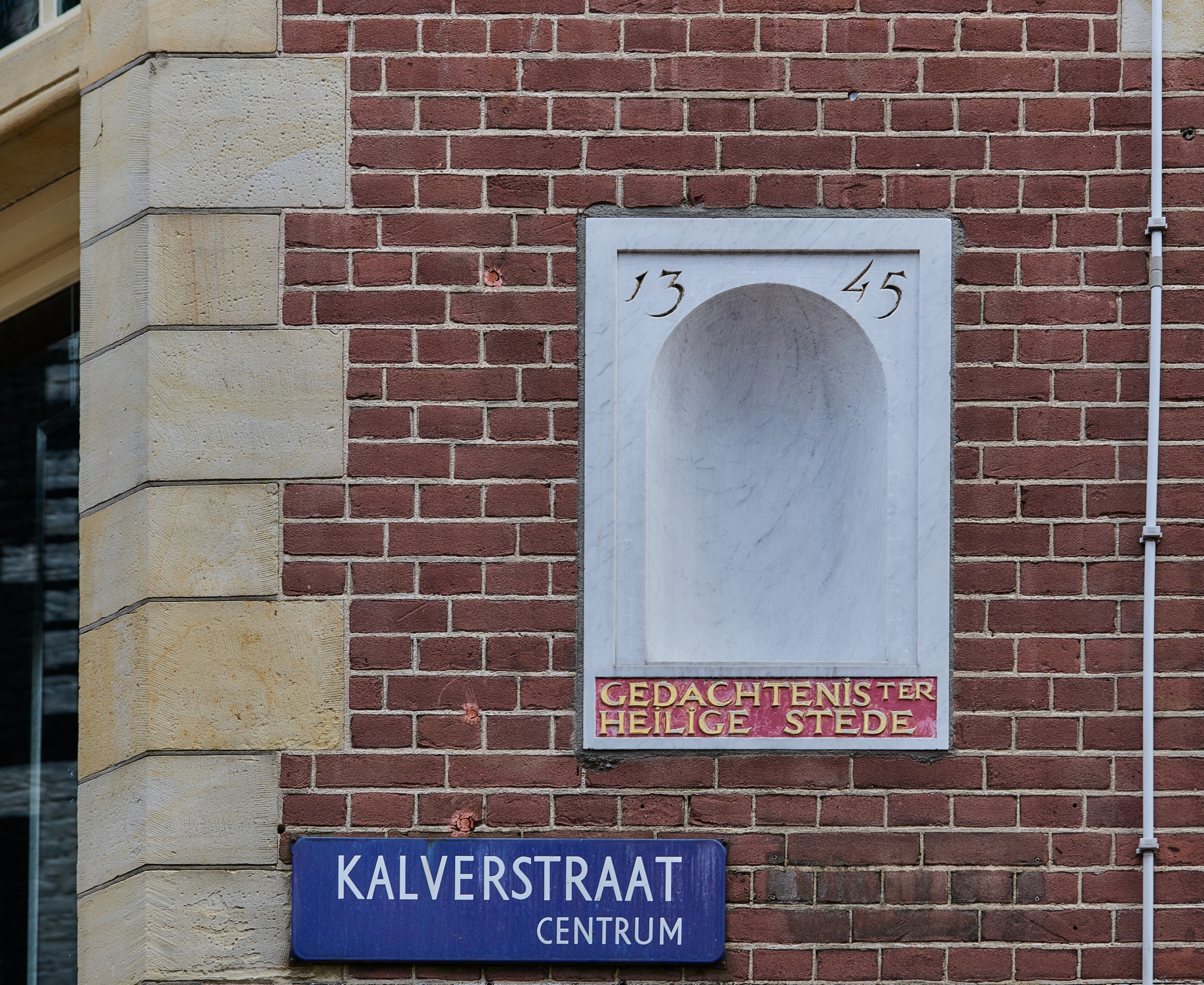
Current exterior

In 1345, a chapel was built in honour of the Miracle of Amsterdam in the Kalverstraat: the Heilige Stede (Holy Place). The chapel stood between the Kalverstraat and the Rokin for almost 600 years, until the church was demolished on 10 July 1908.
The remains of the Heilige Stede had to be preserved at all costs. Shortly after the demolition, building fragments were bought by the Amstelkring (now Our Lord in the Attic Museum). In the museum, the debris of the demolished holy place was cherished and elevated to Catholic heritage.
Heilige Stede
Literally ''holy place''. It refers to the location on Kalverstraat where the Miracle of Amsterdam took place in 1345. After the Protestant takeover in 1578, this church was also called Nieuwezijds Kapel. The original church that stood at this location was demolished in 1908 and was replaced by a new church building also called the Nieuwezijds Kapel.
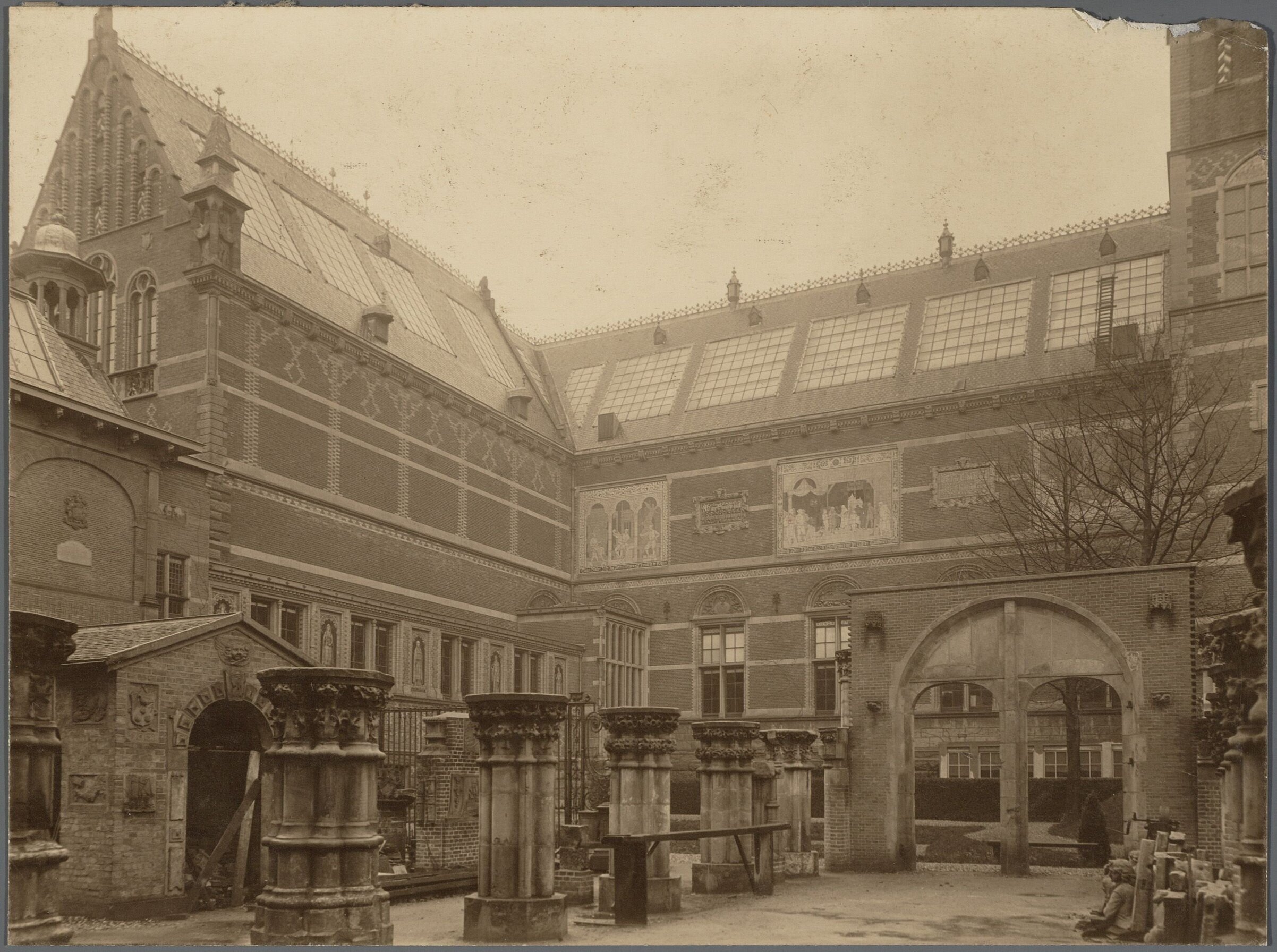
A lapidarium is a physical collection of stones. A new extension of the museum was built on the site of the Rijksmuseum's lapidarium in 1914. The stones were therefore moved to the Rijksacademie van Beeldende Kunsten. In 1926, the fragments are officially moved to a municipal depot.
Unfortunately, not all fragments ended up so well. Between July and October 1908, more than 500 building fragments were purchased and transported to the Lapidarium of the Rijksmuseum. From this location, many pieces have been moved several times to other depots and municipal storages. The centuries-old fragments were generally quite poorly handled and protected. Jan Sterck (1859-1941), historian and co-founder of Museum Amstelkring, wrote in a testimony: 'All those important specimens of old sculpture were loaded into wagons and thrown on top of each other by municipal workers.'
From the second half of the 20th century, many fragments were lost. Only a few remained at a safe place in a museum or depot. Most of the pieces that were stored in the Amsterdam Municipal Depot started to wander. Some reappeared in the sixties in the workshops of antique dealers who turned them into wall consoles and side tables. Other building fragments disappeared literally underground as dike reinforcement or were dumped en masse into public allotments.
The story of the building fragments of the Heilige Stede can therefore be called a tragedy in three acts: the demolition, the wandering and the loss.
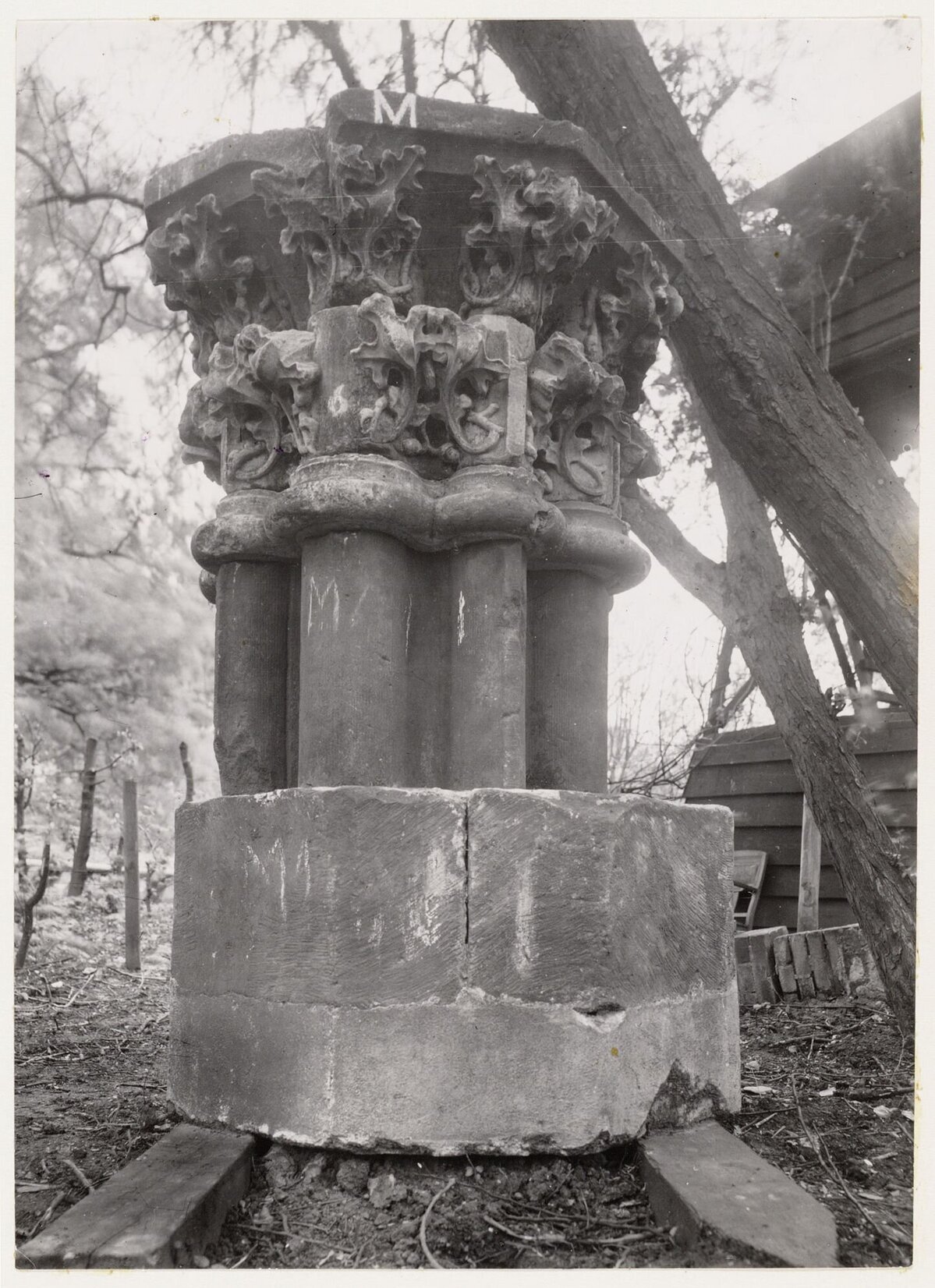
Building fragment of the Heilige Stede in Amsterdam North.
Anne Labroisse
Student minor Religieus erfgoed in Amsterdam (Vrije Universiteit/Reinwardt Academie), 2024
Last edited
July 30, 2025
Building fragment of the Chapel of the Holy City, maker unknown, 1346, stone. Collection Museum Ons' Lieve Heer op Solder. Photography Robert Westera.
Exterior photo: Robert Westera.
Lapidarium in the garden of the Rijksmuseum, maker unknown, 1911-1912, photo. Collectie Stads Archief Amsterdam.
Koomen, A., Een lamentatio over een lapidarium: de Nieuwezijds Kapel in de Rijksmuseumtuin, Bulletin van het Rijksmuseum 55 (2007)4.
Margry P.J. en C. Caspers, Het mirakel van Amsterdam. Biografie van een betwiste devotie (Amsterdam 2017).