

 Christianity Protestant
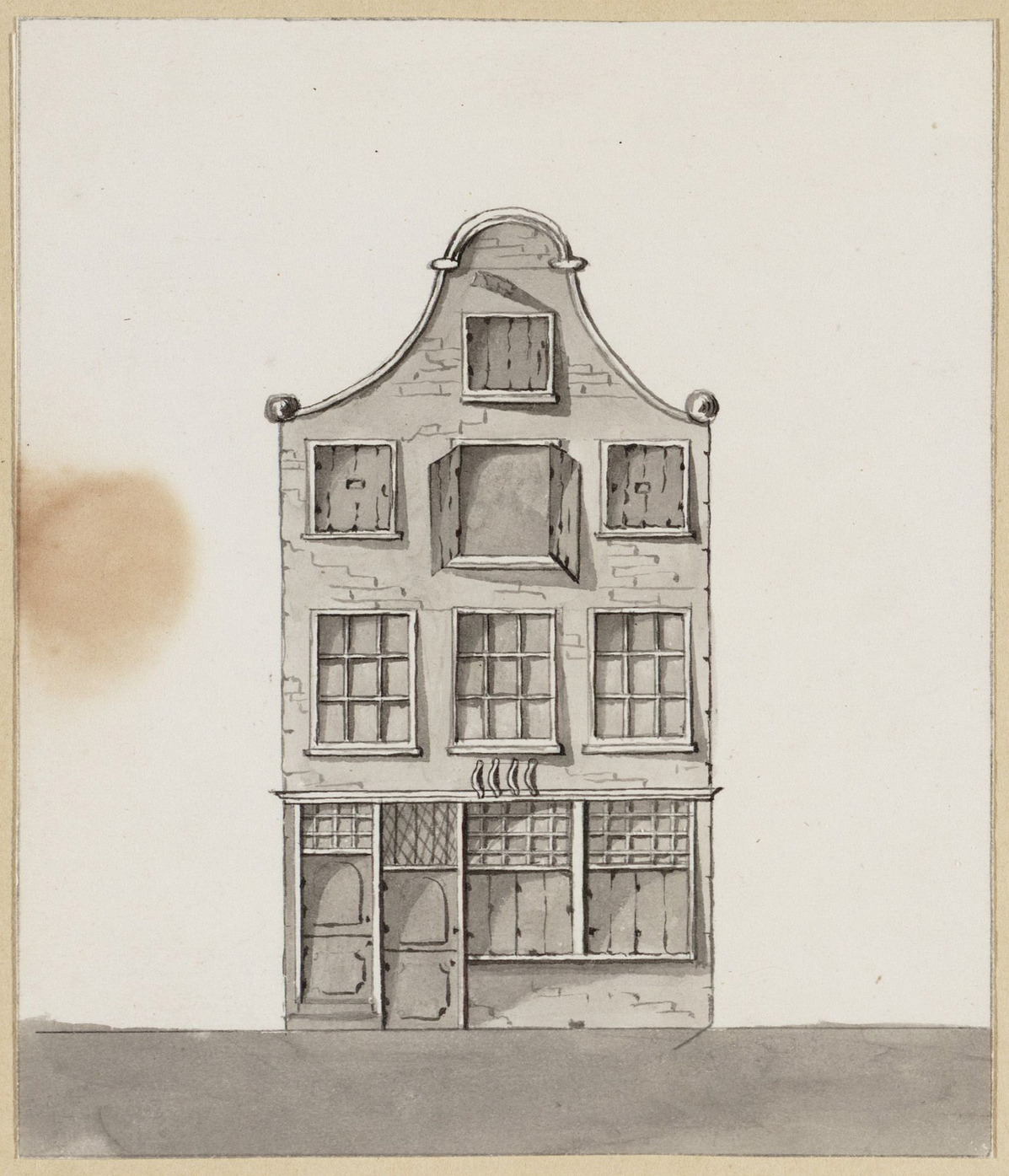
This is the only known drawing of the now-demolished hidden church De Drie Kruikjes, where the Danziger Old Flemish met.
Location
De Drie Kruikjes
Spuistraat 72
Type
Hidden church
Religious community
Mennonite Church
Object
Drawing of the façade of the house De Drie Kruikjes, hidden church of the Old Flemish Mennonites
Maker and date
Gerrit Postma
ca. 1830-1840
Visit
The drawing is kept in the City Archives Amsterdam, the original building is demolished
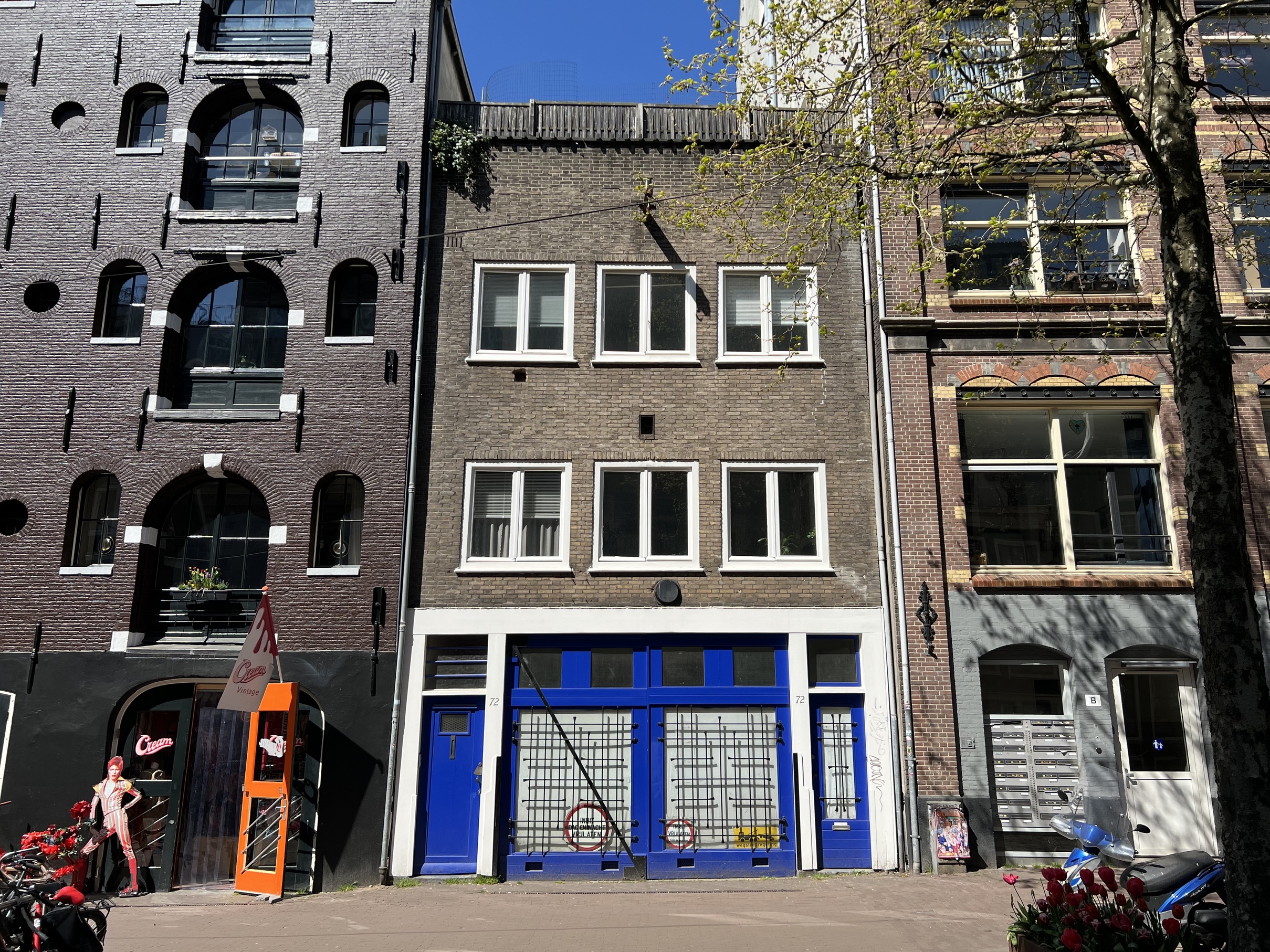
Current exterior
The Danziger Old Flemish at De Drie Kruikjes: What Did Orthodoxy Look Like?
Already before 1619, the renovated warehouse hidden behind this house on the Nieuwzijds Achterburgwal had been the hidden church of the Old Flemish Mennonites. In 1632, a part of the congregation decided to merge with the Flemish at the nearby Kerk bij ’t Lam. The Old Flemish who did not wish to merge aligned themselves with the more conservative Danziger Old Flemish. For a period between 1632 and 1646, there was unclarity about who retained the right to use the property. The staunchly orthodox group moved over to house next door, called De Zes Kruikjes [the six jugs], until the formal ruling on the original meeting place came down in their favour. Thereafter, they returned to their original hidden church, De Drie Kruikjes [the three jugs].
These Mennonites held more strictly to simple dress for longer than most other Dutch Mennonites, and they enforced stricter views on the ban and rules against buitentrouw (marriage with people outside of their faith group). They also practiced foot washing after most other Dutch Mennonite groups had stopped doing so.
hidden church
Building in which hidden religious services were held in the Dutch Republic (1588-1795). Christian denominations outside the Calvinist church, such as Catholics, Lutherans, Mennonites and Remonstrants, had to practice their religions in hidden churches.
Flemish Mennonites
One of the large groups of Dutch Mennonites originated as refugees from the Southern Netherlands in the sixteenth century. The name soon lost its geographical relevance. However, other schisms redefined the boundaries of the group. An intra-Flemish Mennonite conflict in Friesland in 1586, which was sparked by the purchase of a house, resulted in names of “Huiskopers” [House Buyers] for the Old or Hard Flemish (the more orthodox group) and Contra-Huiskopers for the more mainstream Flemish, also known as Young or Soft Flemish. Most Flemish reunited in 1632 with the drawing up of the Dordrecht Confession, though some particularly strict Old Flemish (notably the Danziger Old Flemish) remained separate.
Danziger Old Flemish
A very orthodox branch of the Old Flemish Mennonites. They maintained ties to sister communities of Mennonites with Dutch roots based in Poland. Due to a Polish rule forbidding Mennonites from proselytizing, people travelled back to Dutch congregations for baptisms or Dutch Mennonite elders travelled there to baptize new members.
Foot washing (mennonites)
The practice of washing each other’s feet was common from early on among Anabaptists. It gradually died out among most Mennonites over the course of seventeenth and eighteenth centuries. A variety of Christian denominations around the world continue to do it. The practice is inspired by Jesus’ Biblical example of washing his disciples feet.
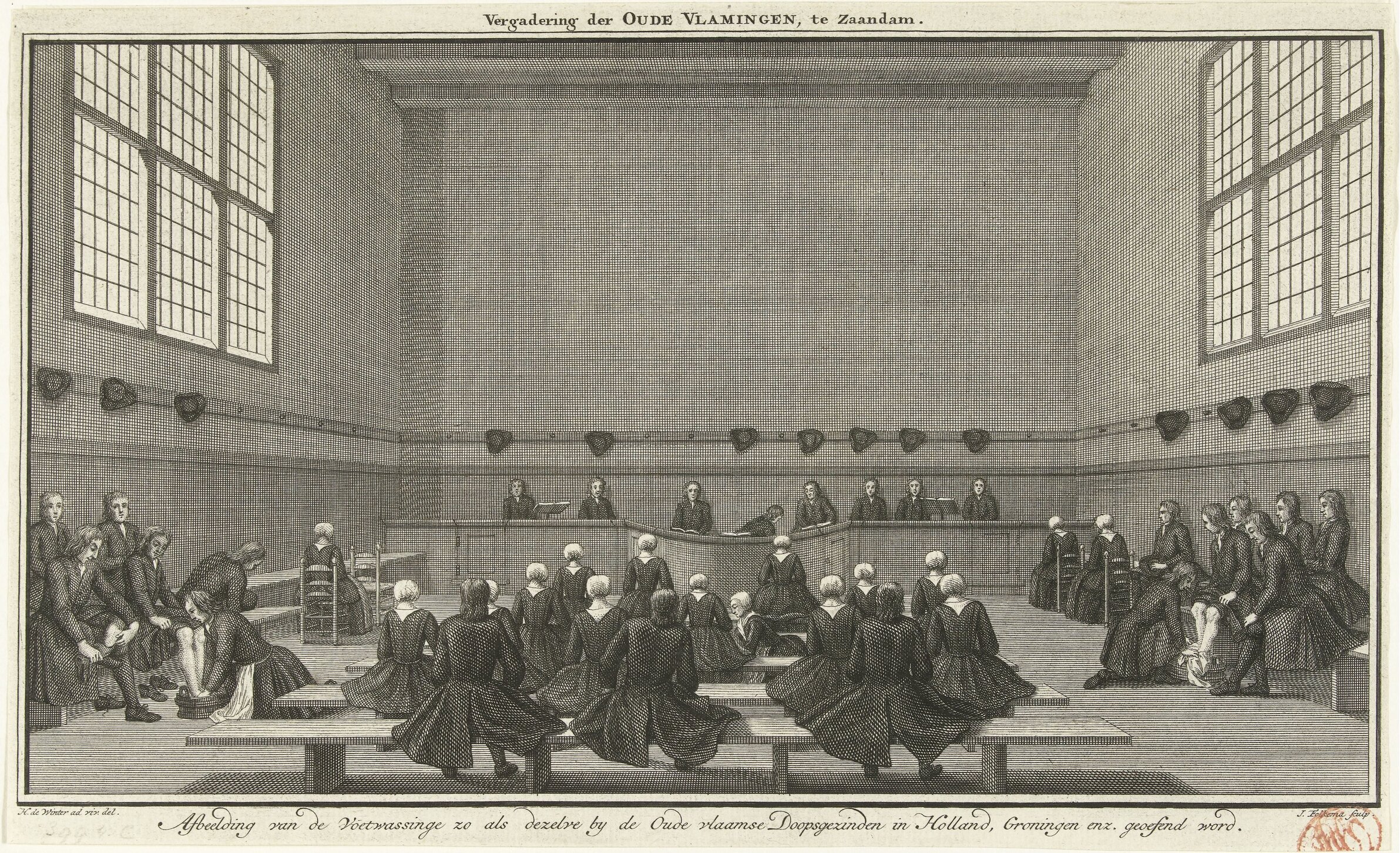
Foot washing among the Old Flemish Mennonites in Zaandam, circa 1740.
However, Mennonite theological orthodoxy in the Dutch context did not per se connote disconnect from surrounding economic and cultural life – particularly by the eighteenth century. For instance, Jan Christiaan Sepp (1739-1811), who was selected as minister at De Drie Kruikjes as of 1781, ran a successful bookshop, and he was involved in publishing, illustration, and printmaking. He was a natural history specialist and collector, and he collaborated on a number of important books about naturalia like Flora Batava and Nederlandsche Vogelen. Sepp was also one of the founders of Felix Meritis ("Happy through Merit"), an intellectual society established in 1776 for furthering of the arts, culture and sciences based on Enlightenment ideals.
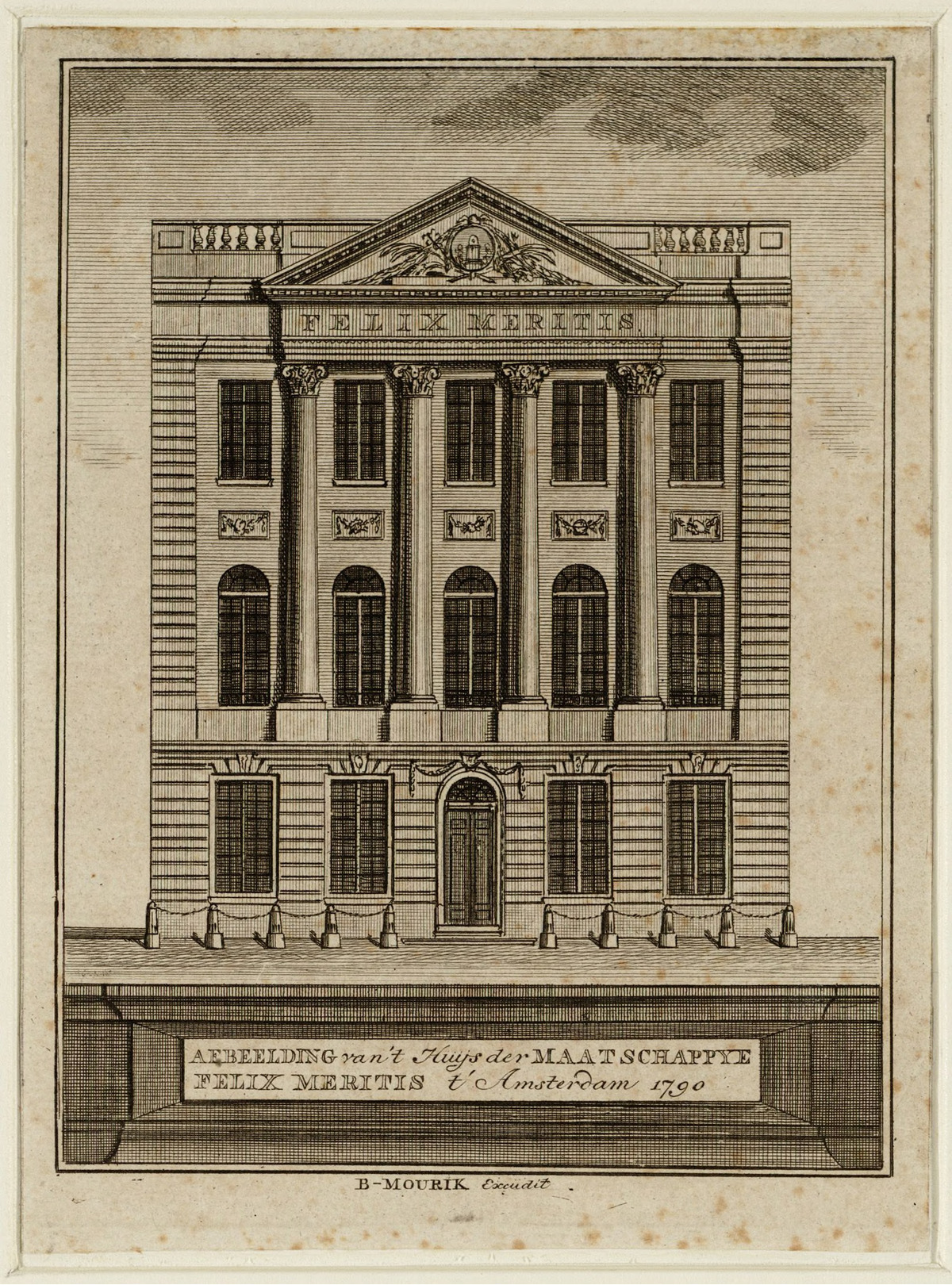
Front facade of Felix Meritis at Keizersgracht number 324.
Today, nothing remains of De Drie Kruikjes. Only one drawing by Gerrit Postma, who grew up in the Collegiant-Mennonite Oranjeappel nearby, provides a sense of what the building looked like. By the time he drew it in the 1830s, the building was already out of use as a hidden church. As the congregation got smaller, the 41 remaining Danziger Old Flemish decided to merge with the Zonists. This unification, under guidance of their elders and ministers (including Sepp), took place in the late 1780s.
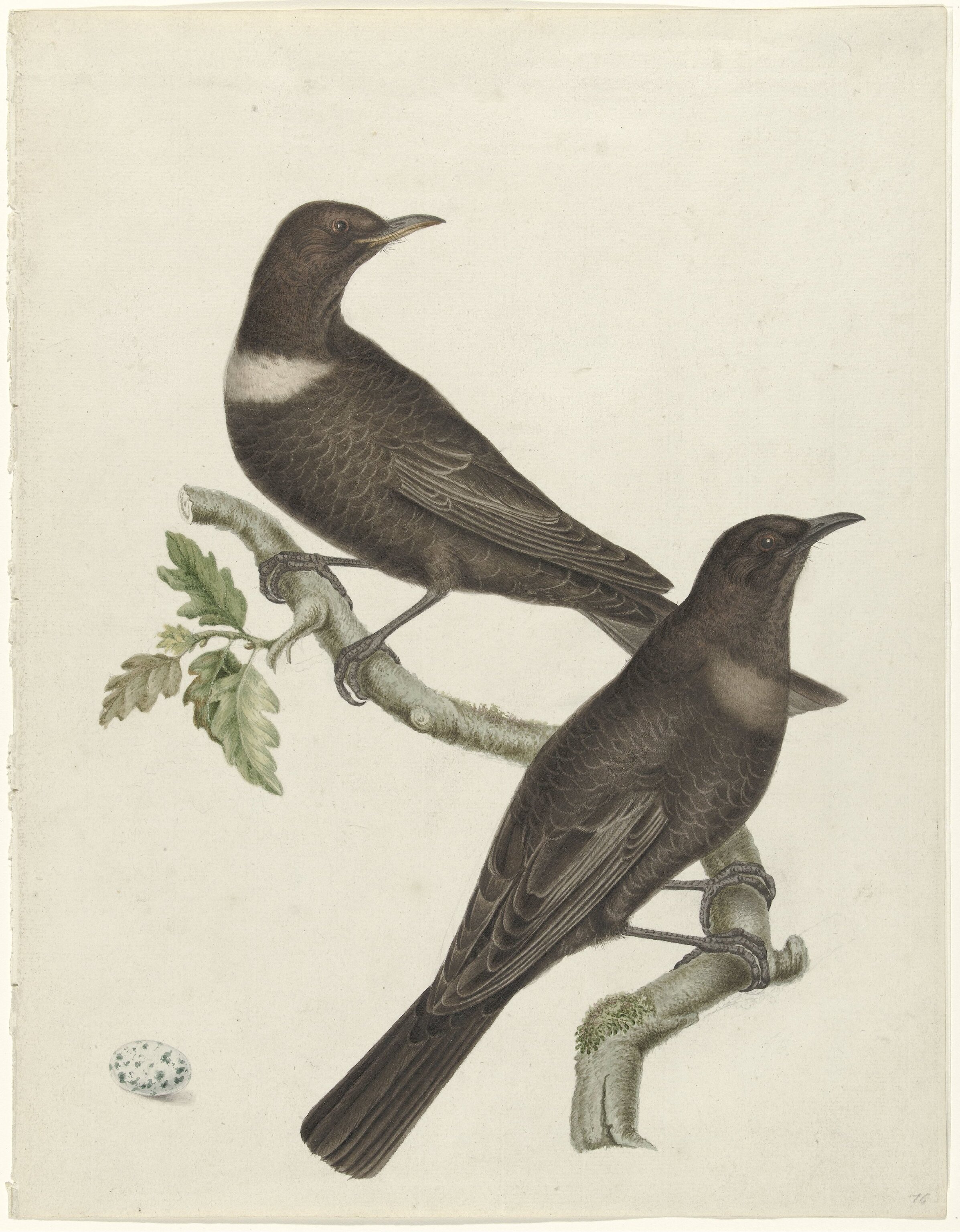
Possible drawing by Jan Christiaan Sepp of two ring ouzels with an egg.
Nina Schroeder-van 't Schip
Art Historian & Mennonite Heritage Specialist Doopsgezind Amsterdam
Last edited
May 12, 2026
Gerrit Postma, De doopsgezinde kerk De drie Kruikjes, ca. 1830-1840, tekening. Collectie Van Eeghen: tekeningen, Stadsarchief Amsterdam.
Exterior: photography Our Lord in the Attic Museum.
Jacob Folkema, after drawing by Hendrik de Winter, Voetwassing bij de Oude Vlaamse doopsgezinden te Zaandam, 1741-1743, engraving, 161 x 263 mm. Collection of the Rijksmuseum, Amsterdam.
Bernardus Mourik, Afbeelding van 't Huijs der Maatschappye Felix Meritis t' Amsterdam 1790, 1790, engraving. Collection of the City Archives Amsterdam: Drawings and Prints.
Jan Christiaan Sepp (possibly), Twee beflijsters (Turdus torquatus) met een ei, 1749-1811, drawing and watercolour on paper. Collection of the Rijksmuseum, Amsterdam.
Lambour, R., 'Doopsgezinde gemeenten te Amsterdam in de zeventiende en achttiende eeuw', Amstelodamum 100-1 (2013) 25-38, 31-32.
Welcker, A., 'Amsterdamse Doopsgezinden in de achttiende eeuw', Doopsgezinde Bijdragen 16 (1990) 177-226, 202-212.
Online sources
Global Anabaptist Mennonite Encyclopedia Online: Sepp family
Last visited 23-04-2026
Stadsarchief Amsterdam: De doopsgezinde kerk De drie Kruikjes
Last visited 28-04-2026
Rijksmuseum: Voetwassing bij de Oude Vlaamse doopsgezinden te Zaandam, ca. 1740
Last visited 28-04-2026
Stadsarchief Amsterdam: Afbeelding van 't Huijs der Maatschappye Felix Meritis t' Amsterdam 1790
Last visited 28-04-2026
Rijksmuseum: Twee beflijsters (Turdus torquatus) met een ei
Last visited 28-04-2026