

 Christianity Catholic
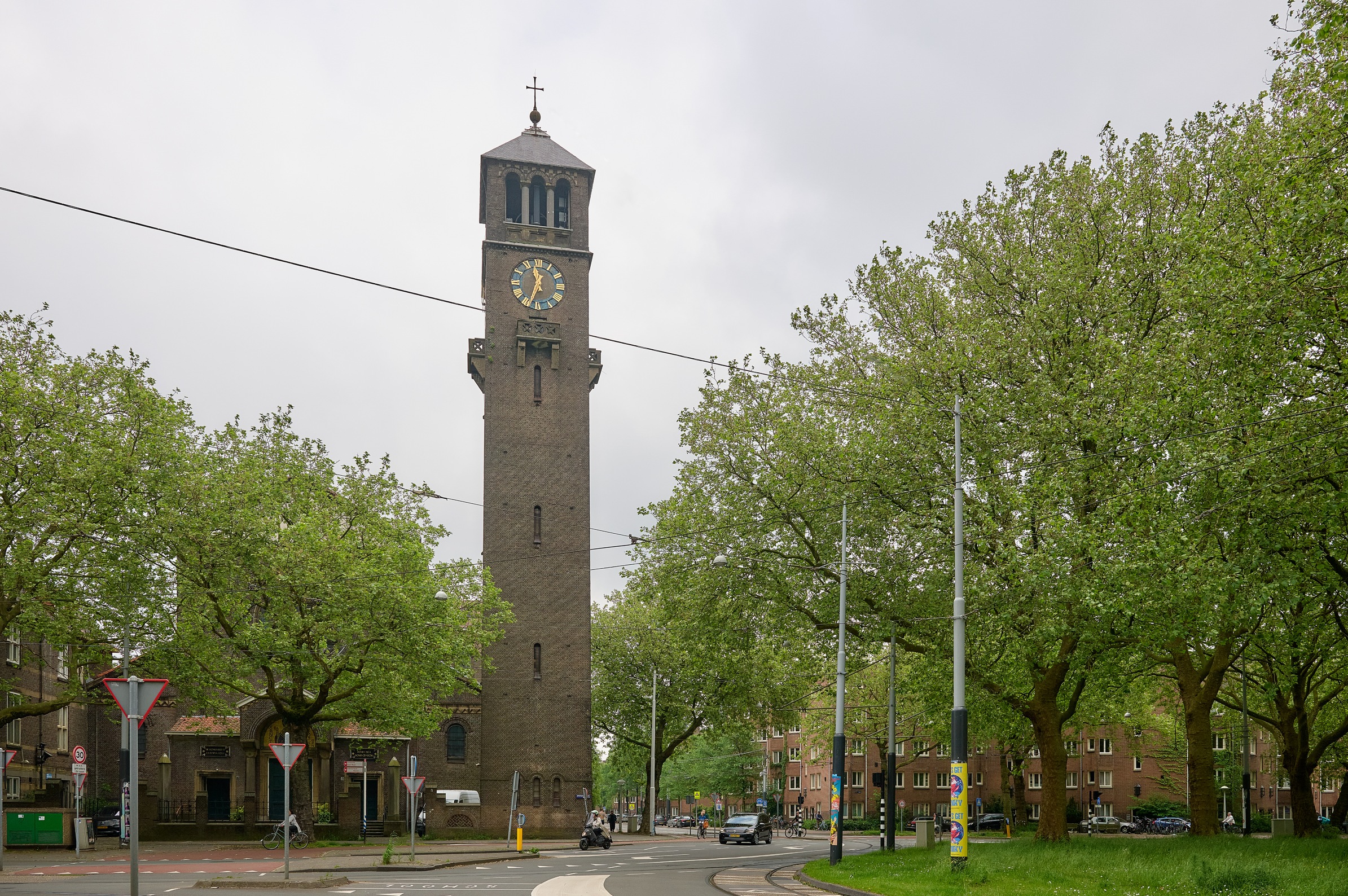
At a roundabout in Amsterdam Zuid stands a church with a distinctive freestanding bell tower. The tower is not only an iconic feature of the cityscape, but also represents a unique Amsterdam art movement.
Location
St. Agnes Church
Amstelveenseweg 163
Type
Church
Religious community
Roman Catholic Church
Object
Freestanding bell tower of St. Agnes Church
Maker and date
Jan Stuyt
1932
Visit
The tower can be seen from the street
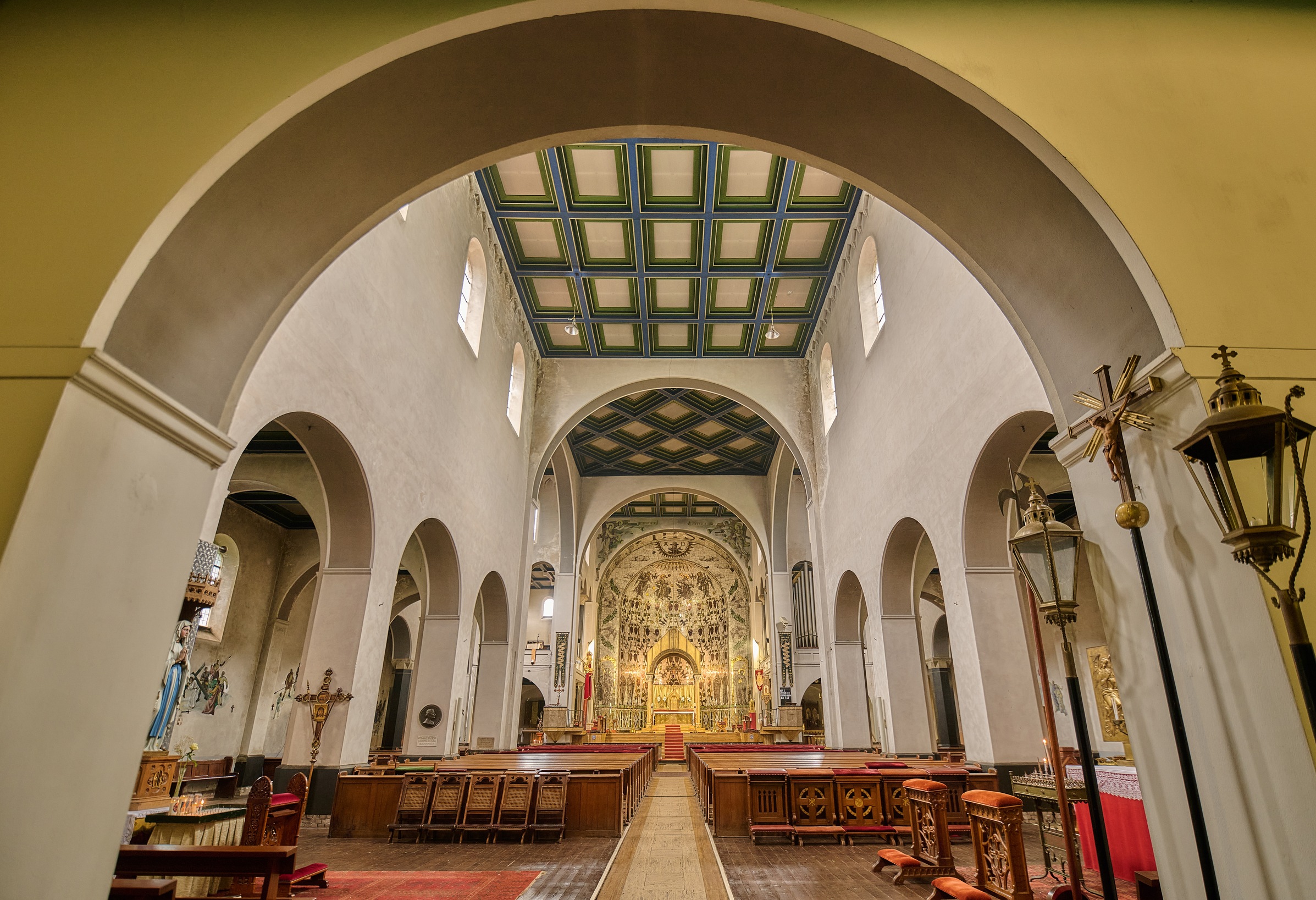
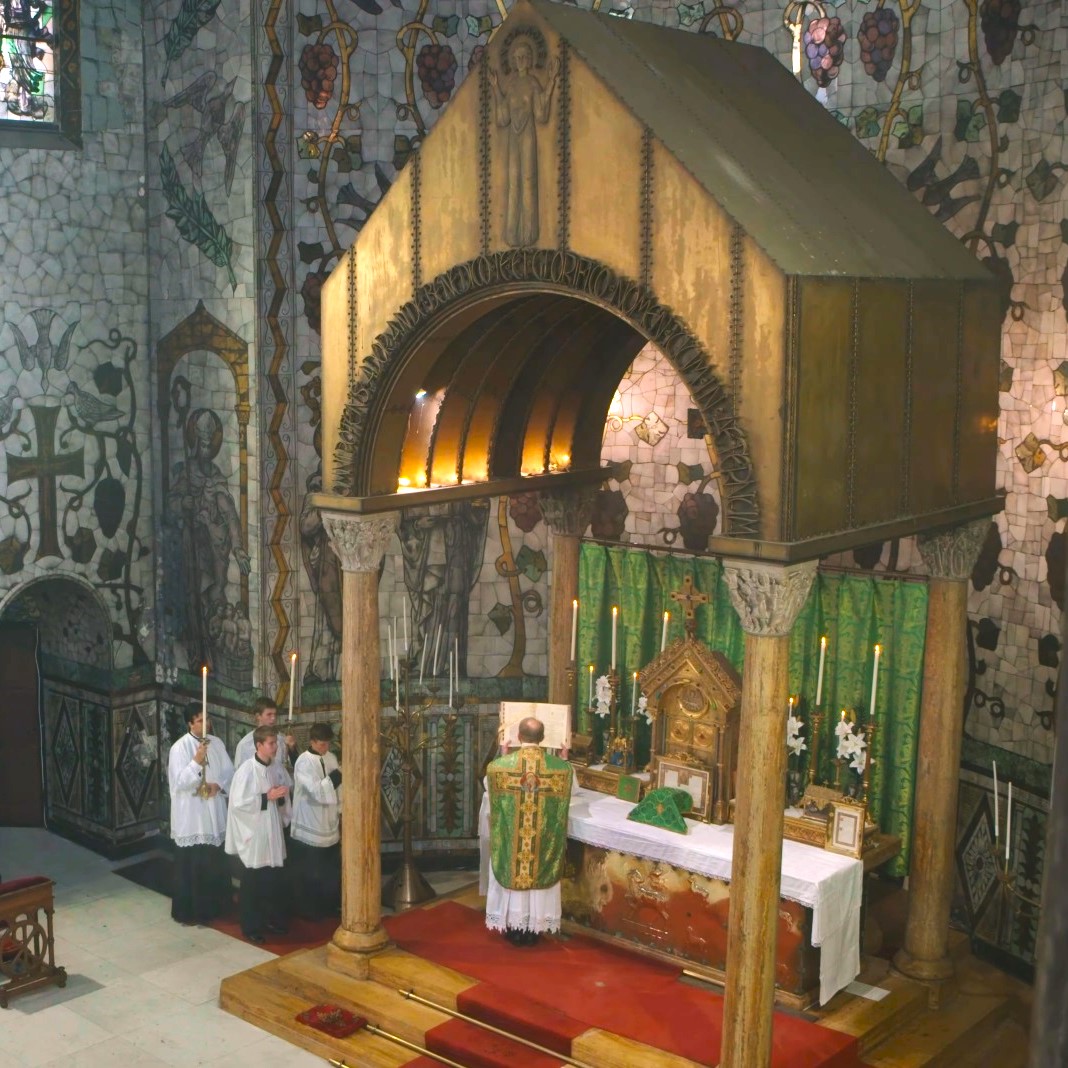
Current interior
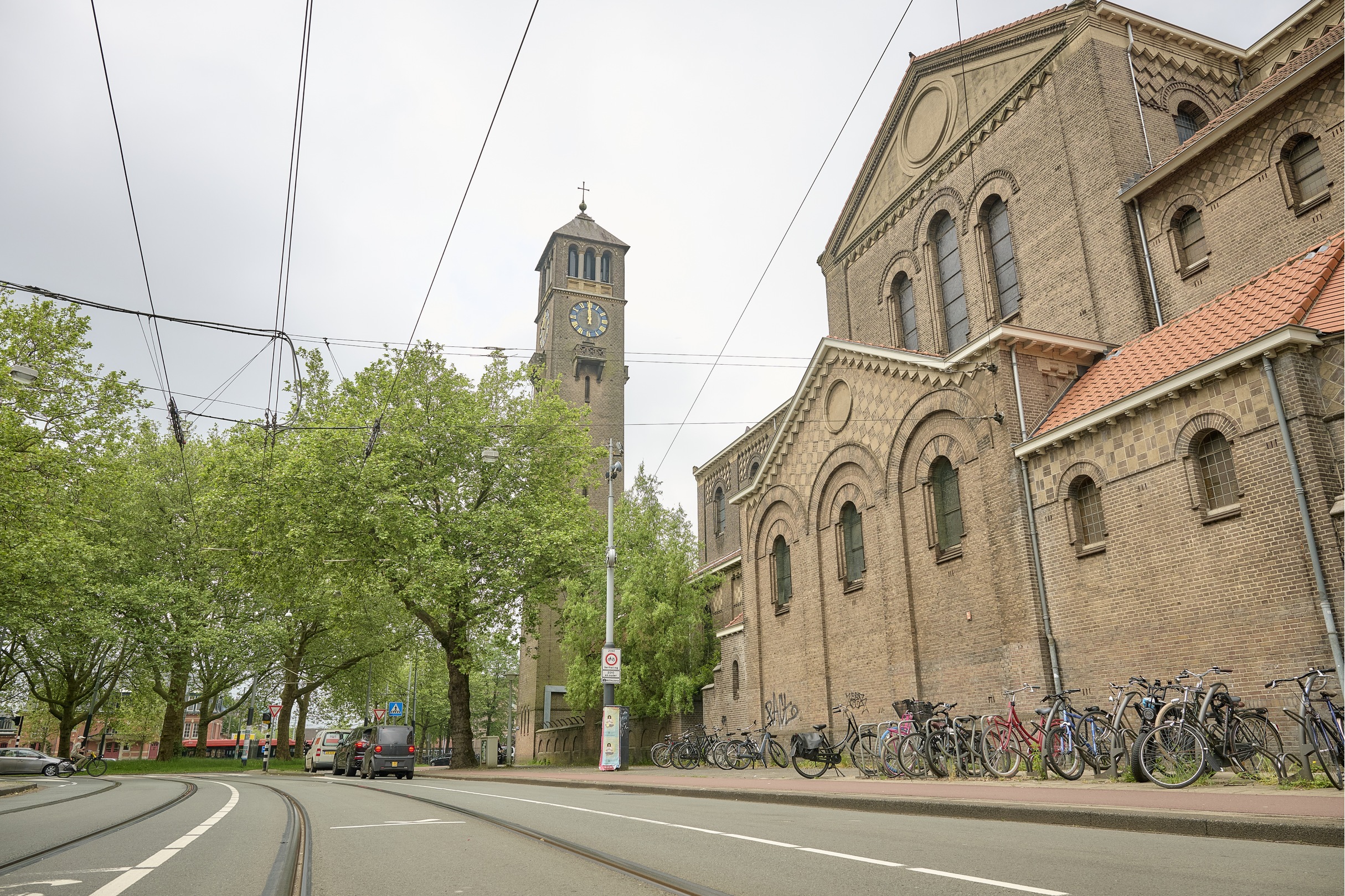
Current exterior
Back to Ancient Rome
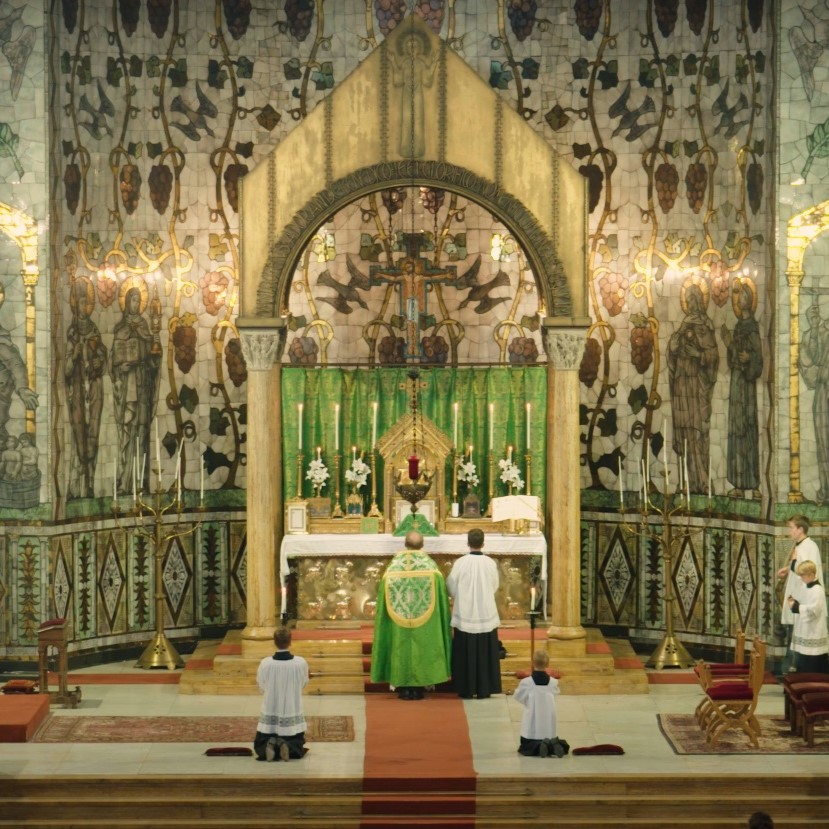
The remarkable thing about this tower is that, unlike most churches, it is not directly connected to the church building. For its construction in 1919, architect Jan Stuyt designed it based on a church in Rome: the seventh-century Basilica of Sant’Agnese fuori le mura (Saint Agnes Outside the Walls). He chose this church because they share the same name, but above all because of its early architectural style. Churches from this period resembled converted Roman market halls, known as basilicas, which were rectangular in shape and had small windows. These features can also be seen in Amsterdam’s Saint Agnes Church.
Basilica
A form of architecture from classical antiquity; or an honorary title bestowed upon certain Catholic churches.
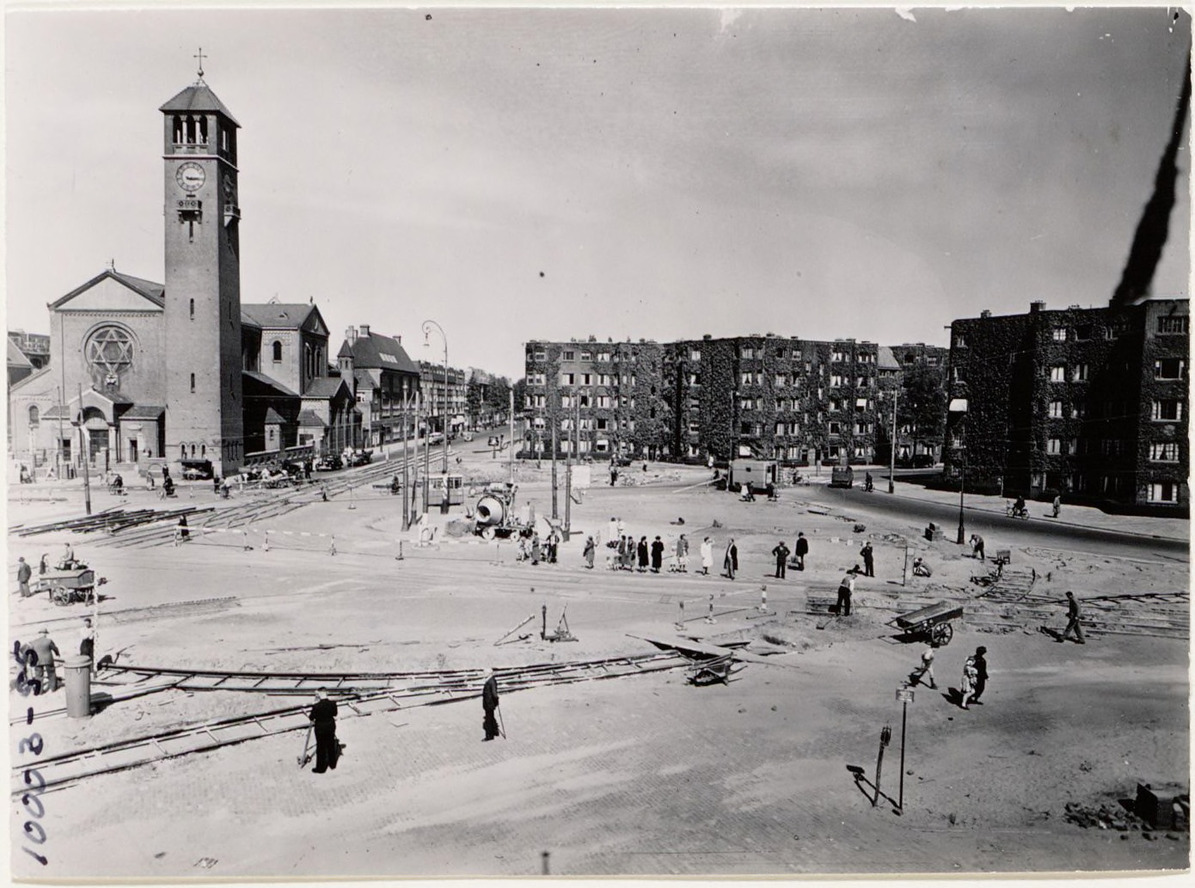
St. Agnes Church during the construction of the roundabout on Amstelveensweg.
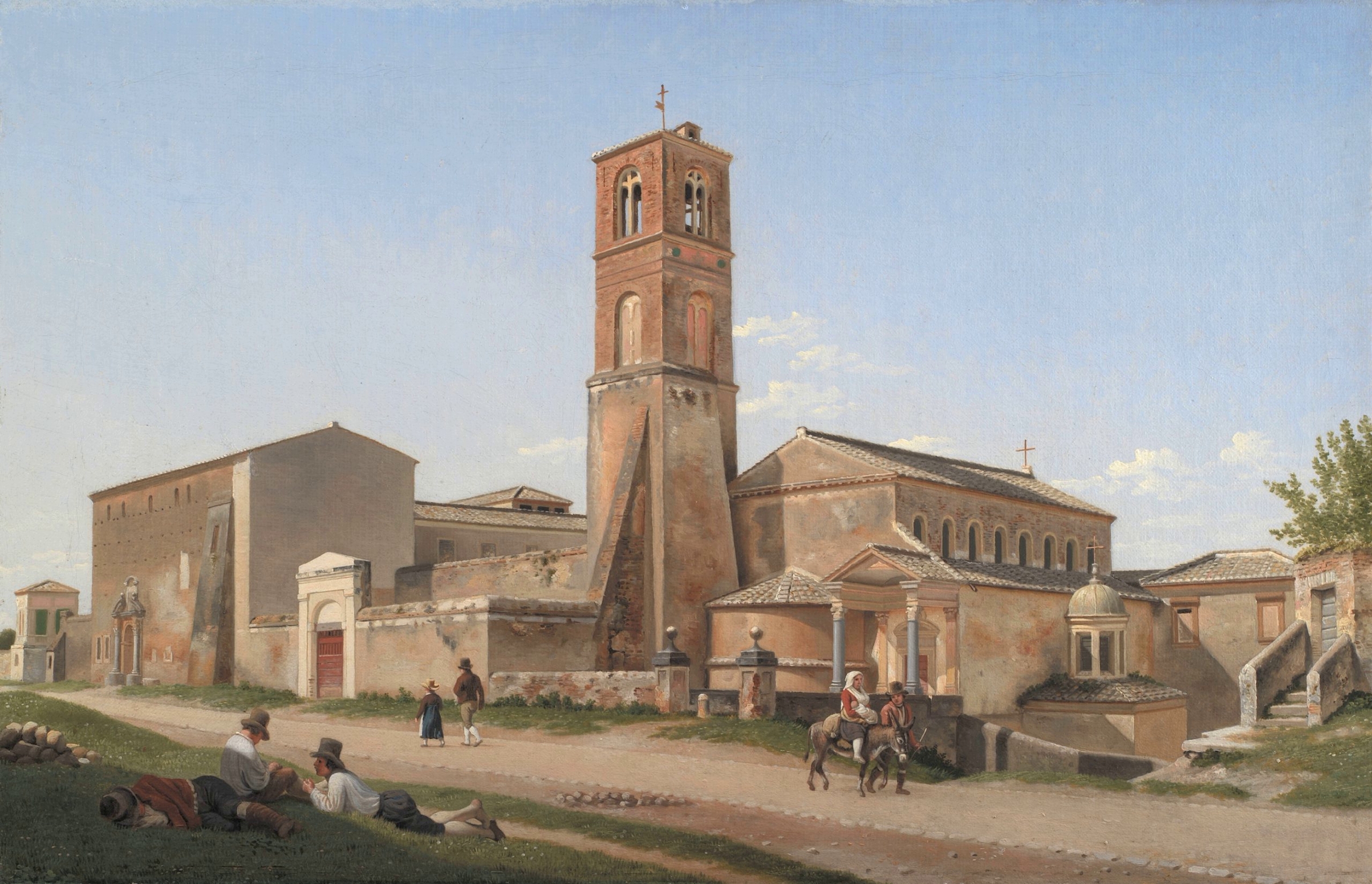
The Roman Basilica of Saint Agnes Outside the Walls in 1815. In this painting, the characteristic basilica form can clearly be seen. The rectangular shapes are also visible in the Church of Saint Agnes in Amsterdam.
Stuyt lived at a time when church architecture was undergoing extensive experimentation. As a co-founder of the Amsterdam art circle De Violier, he sought to offer a new perspective on Catholic art and architecture.
In the second half of the nineteenth century, Catholic churches were springing up throughout the Netherlands as Catholic emancipation gained momentum. During this revival, it was fashionable to look back to the architectural style of the Middle Ages, the Gothic style, as it was considered the best expression of Catholic identity. Jan Stuyt’s counter-movement, however, looks back to an even more distant past: the churches that were built in the first centuries after Christ. The Church of Saint Agnes is one of the most important examples of this artistic movement in Amsterdam.
Instead of the bright colors and richly decorated façades of Neo-Gothic churches, the Church of Saint Agnes features clean, stylised forms and a restrained color palette. The bell tower, which was not completed until 1932, has a simple appearance and fits perfectly with the idea the architect had in mind: beauty in simplicity.
Neo-Gothic style
The neo-gothic style is an architectural style that flourished between c. 1830-1910, reviving medieval Gothic architecture.
Reestablishment of the episcopal hierarchy (1853)
After the Netherlands came under Protestant rule during the Eighty Years' War, Pope Gregory XV declared the country a mission territory in 1622. This meant that the Catholic community in the Netherlands would from that moment on be directed directly from Rome. The local dioceses were dissolved, and bishops lost their authority. Catholic churches during this period were referred to as (mission) stations.
In 1853, the episcopal hierarchy was restored, and despite strong opposition from Protestant circles, bishops and their corresponding dioceses were reintroduced.
De Violier
A Dutch Catholic art society active between 1901 and 1952 that advocated cultural renewal and a break with the prevailing Neo-Gothic style. Notable members included Joseph Cuypers, Jan Stuyt and Jan Dunselman.
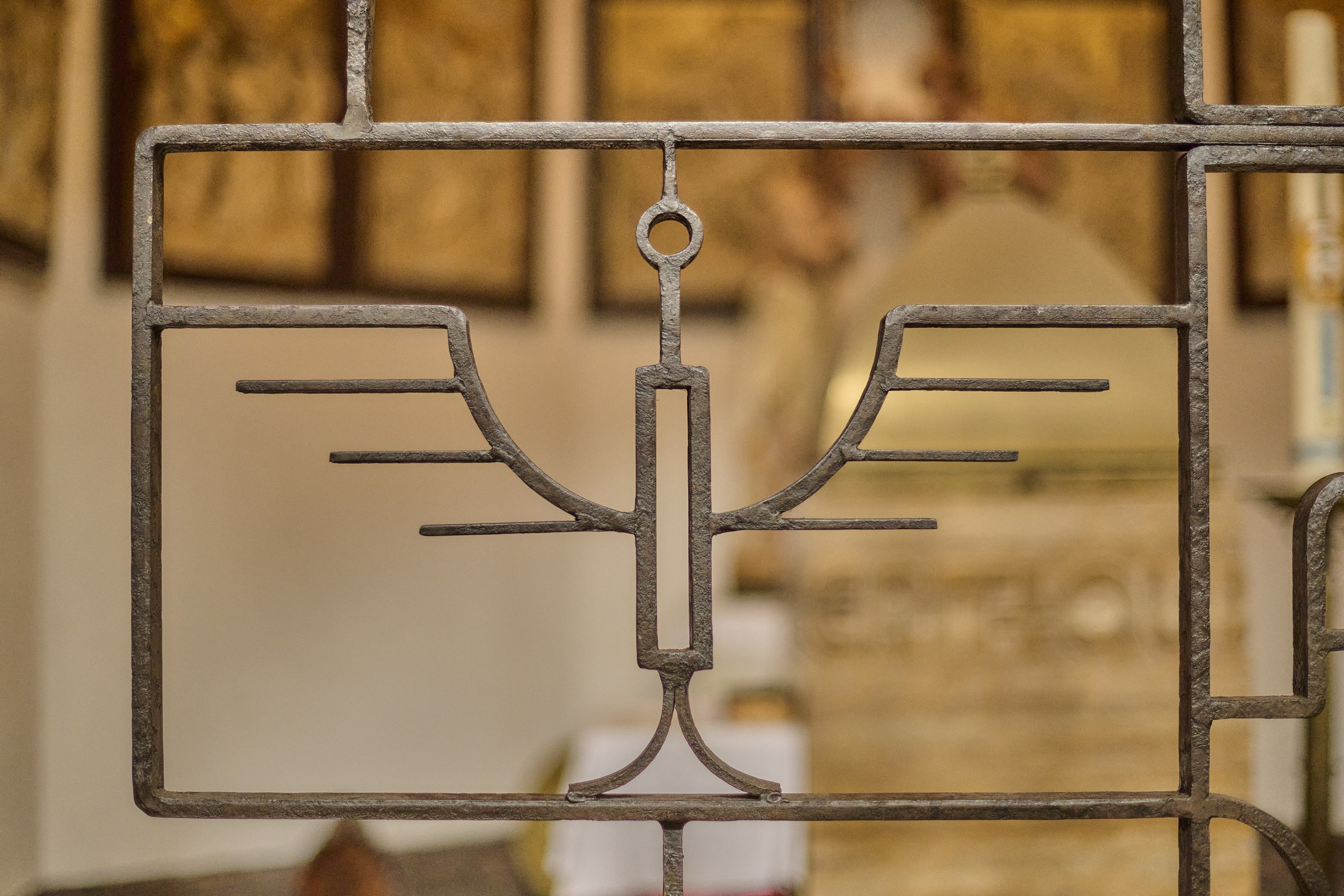
The Holy Spirit is depicted in the form of a dove in the railing of the baptistery. The Church of Saint Agnes is inspired by early Christian architectural forms, but it also showcases innovations in ecclesiastical art. Certain elements of the interior, such as this railing by goldsmith Nico Witteman, feature, for their time, progressive forms, techniques, and materials.
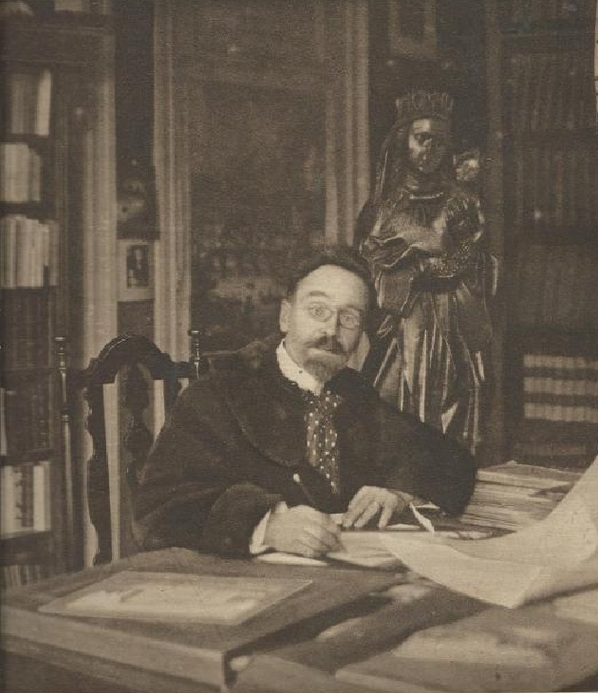
Image of the Holy Spirit in the shape of a dove in the gate to the baptistery. St. Agnes Church was inspired by the earliest forms of Christian architecture, while also incorporating innovations in ecclesiastical art. Certain elements of the interior, such as this gate of the baptistery by goldsmith Nico Witteman, make use of forms, techniques, and materials that were progressive for their time.
Joseph Lai
Former employee Our Lord in the Attic Museum
Last edited
August 19, 2026
The Bell Tower of Saint Agnes Church, Jan Stuyt, 1932. Photo Robert Westera.
Interior and exterior: photography by Robert Westera.
Amstelveenseweg, unknown photographer, date unknown, digitised photograph. Collection of the Amsterdam City Archives, Archives of the Department of Spatial Planning and its predecessor: photographs.
S. Agnese fuori le mura, Rome, Christoffer Wilhelm Eckersberg, oil on canvas, 32 × 50 cm. Collection of the Statens Museum for Kunst, Copenhagen.
Gate of the baptistery, detail, Nico Witteman, 1932, etched iron. Collection of Saint Agnes Church, Amsterdam.
Jan Stuyt, unknown photographer, ca. 1909, digitised photograph. Collection WOC Digitaal, Stichting Oud-Castricum.
Molkenboer, Ph., Violier-Boek, 1901-1931. Den Leden Aangeboden Bij de Viering van Het Zesde Lustrum van Den Katholieken Kunstkring “De Violier” (Amsterdam 1932).
Online sources
Website Sint Agneskerk
Last visited 12-08-2026